
CUSTOMER STORY / A · UNITED STATES
Customer A: start with the target on its backer Work the needs of several indoor ranges into one sheet
A US shooting club operating several indoor ranges contacted us through an ecommerce platform about custom reactive silhouette targets. A useful design conversation reaches beyond the silhouette: could a clip cover the artwork, were the top circles too close together, and would the printed rings remain clear? Reconstructed discussion scenes follow those details into sample review, order preparation and supply planning.
EXISTING CATALOG PRODUCT
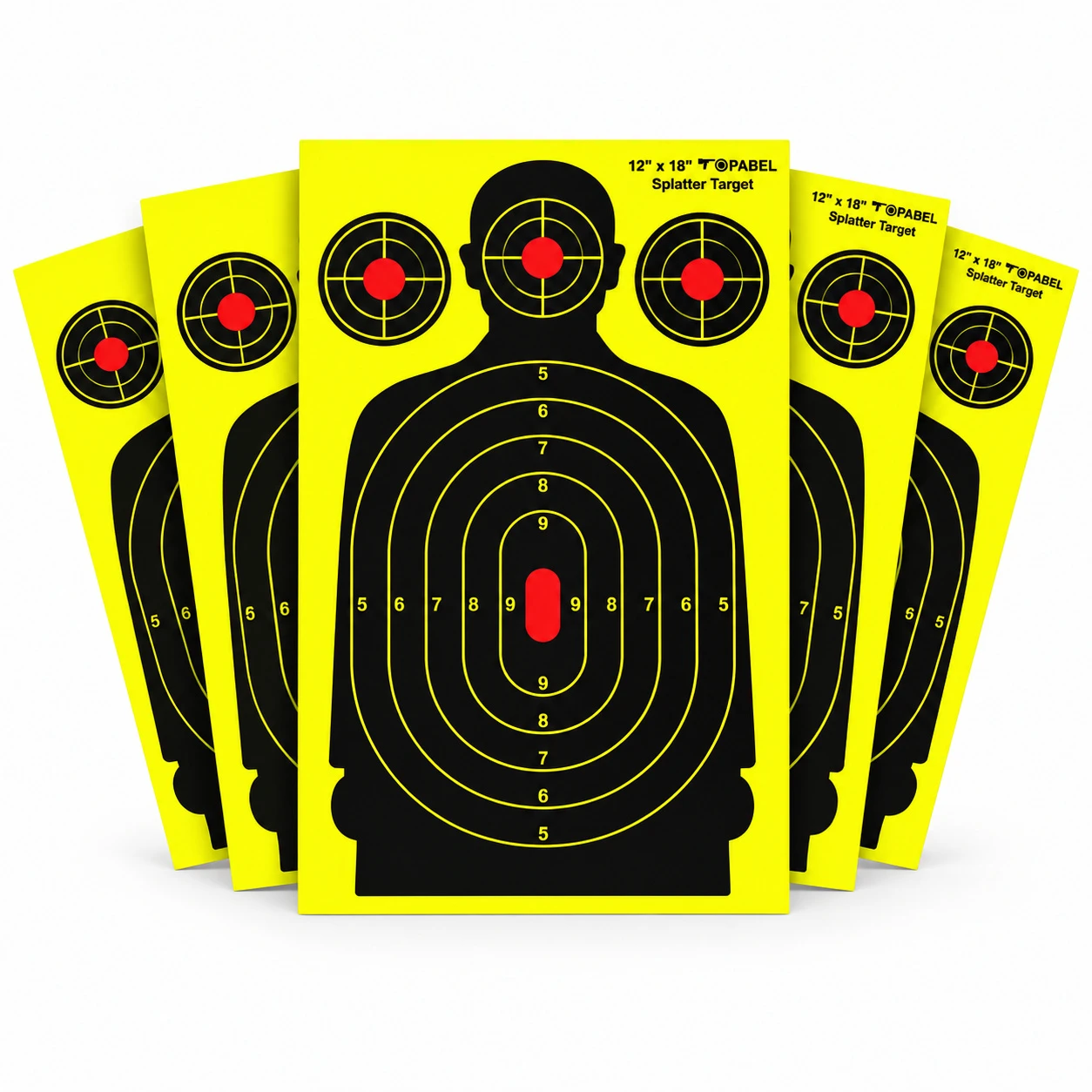
Yellow reactive silhouette paper targets
This existing 12 × 18 inch non-adhesive sheet combines a black silhouette, yellow background, red center marks and supplementary circles. It provides a concrete reference for discussing the outline, rings, mounting margins and printed reactive appearance.
TB-TR-QF-1218-SP-SPL-01
View this product ↗Existing catalog reference, not Customer A’s verified final artwork.
- Customer
- US shooting club
- Use setting
- Several indoor ranges
- Custom product
- Reactive silhouette paper targets
- First contact
- Ecommerce platform
01 / An ecommerce inquiry
The inquiry was about a silhouette. The conversation needed a backer.
Customer A first contacted us through an ecommerce platform. The club ran several indoor shooting ranges in the United States and wanted a custom batch of reactive silhouette paper targets. A product picture gave the conversation its starting point.
It is easy to begin with the silhouette color and a place for the club logo. But a sheet that looks balanced on screen also has to fit a backer, leave room for its clips and make sense to staff at different locations. Those questions give this reconstructed discussion its direction.
Alongside the reference, we ask for a view of the holder and how the existing sheet is fixed. The top edge of the paper, the backer and the clip can then be considered in one picture.
02 / Leave space for mounting
A small strip at the top can decide where the artwork belongs
In the mounting discussion, the concern is ordinary and concrete: if a clip covers the header, the brand may disappear; if the artwork is simply moved down, the silhouette may crowd the bottom edge. One adjustment affects the rest of the face.
We separate the finished sheet boundary, the intended fixing margin and the printed artwork. Keeping those three references on the same proof lets the customer judge the arrangement before the sample is made.
The practical design response is to keep the fixing area clear, place brand information away from it and review the silhouette’s top and bottom margins together. A brief note beside the proof explains which space is reserved for mounting.
For several ranges, that marked proof also becomes a useful question: can every location use this same arrangement, or does a different holder need a separate check?
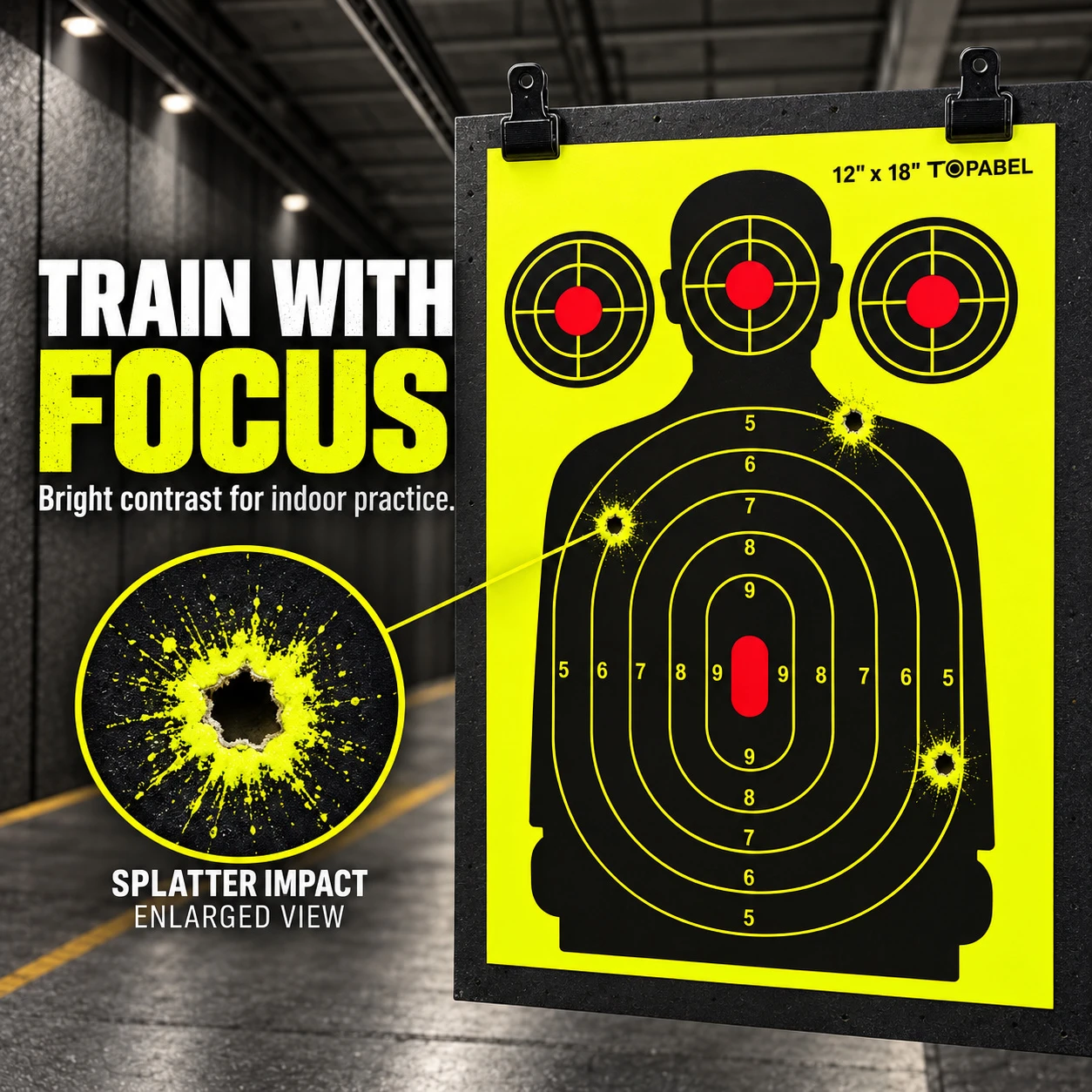
Existing catalog scene: inspect the clips and the printed header together.
Existing catalog scene, not a photograph of Customer A’s range or sample.
03 / Work on the complete face
A close-up can look clear while the full layout still feels crowded
The reference product places supplementary circles beside the head and ring outlines within the silhouette. Viewed separately, each element is easy to identify. Together, the gaps and the relative weight of the lines determine whether the sheet feels settled.
We discuss two questions separately: how the top circles sit beside the head, and how clearly the ring outlines read against the black silhouette. That keeps a comment about spacing from being confused with a comment about color or line weight.
The comparison below isolates the outline treatment: the silhouette, red center marks and circular areas remain, while the ring strokes become clearer. Spacing can be checked separately on the complete proof. Each concern has its own reference for discussion.
DESIGN COMPARISON
Keep the same artwork, make its ring outlines clearer
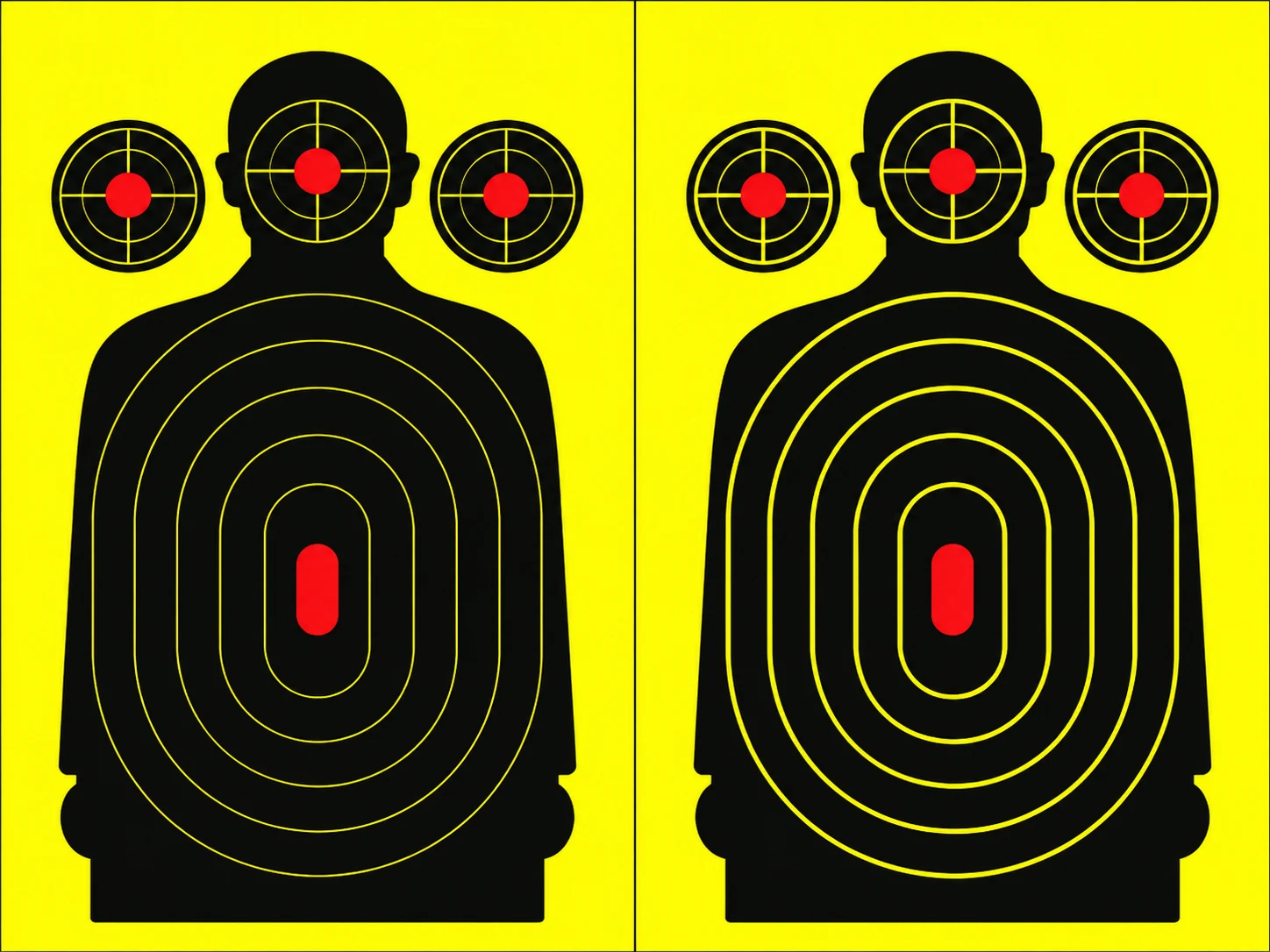
The silhouette and red center marks are established, but the thin yellow ring outlines look weak against the black face.
The layout stays the same. Moderately stronger yellow strokes give the rings and circular borders clearer definition.
04 / From screen to printed sheet
A brighter drawing cannot stand in for a reactive surface sample
Print design and reactive appearance need different kinds of review. The drawing can explain the position of a line and the relationship between colors; a physical sample is needed to review the sheet, finish and printed result.
We connect the sample brief to the same questions already discussed: does the header remain clear when fixed, are the top gaps appropriate, and do the printed outlines correspond to the accepted drawing? Any reactive-use evaluation needs its conditions agreed with the club rather than inferred from a promotional image.
A useful review moves between details and the whole sheet: inspect an edge or line up close, then mount the complete sheet and check its arrangement again. Feedback such as a specific covered word or an indistinct ring gives the next design conversation somewhere concrete to begin.
Catalog illustration of the reactive surface; actual sample appearance needs its own review.
Existing product illustration; not Customer A’s sample test or a measured result.
05 / One version for every location
Before the order, make sure everyone is looking at the same file
A multi-location brief brings another practical problem: one person may be discussing an earlier proof while another is checking a newer sample. The useful handover is one clearly identified artwork file, sample reference and change list.
We structure the confirmation around concrete references: which drawing version, which finished size, what material and fixing format, and which pack count. If a location has a remaining concern, it can point to that file rather than start a separate thread around another image.
Quantity is also written in a single consistent unit. Sheets, packs and cartons are connected explicitly, and the receiving plan states whether the order goes to one central point or several locations. Price, payment and schedule are confirmed for that order alongside these details.
06 / Carry the details into production
The agreed margin and ring lines need to survive the handover
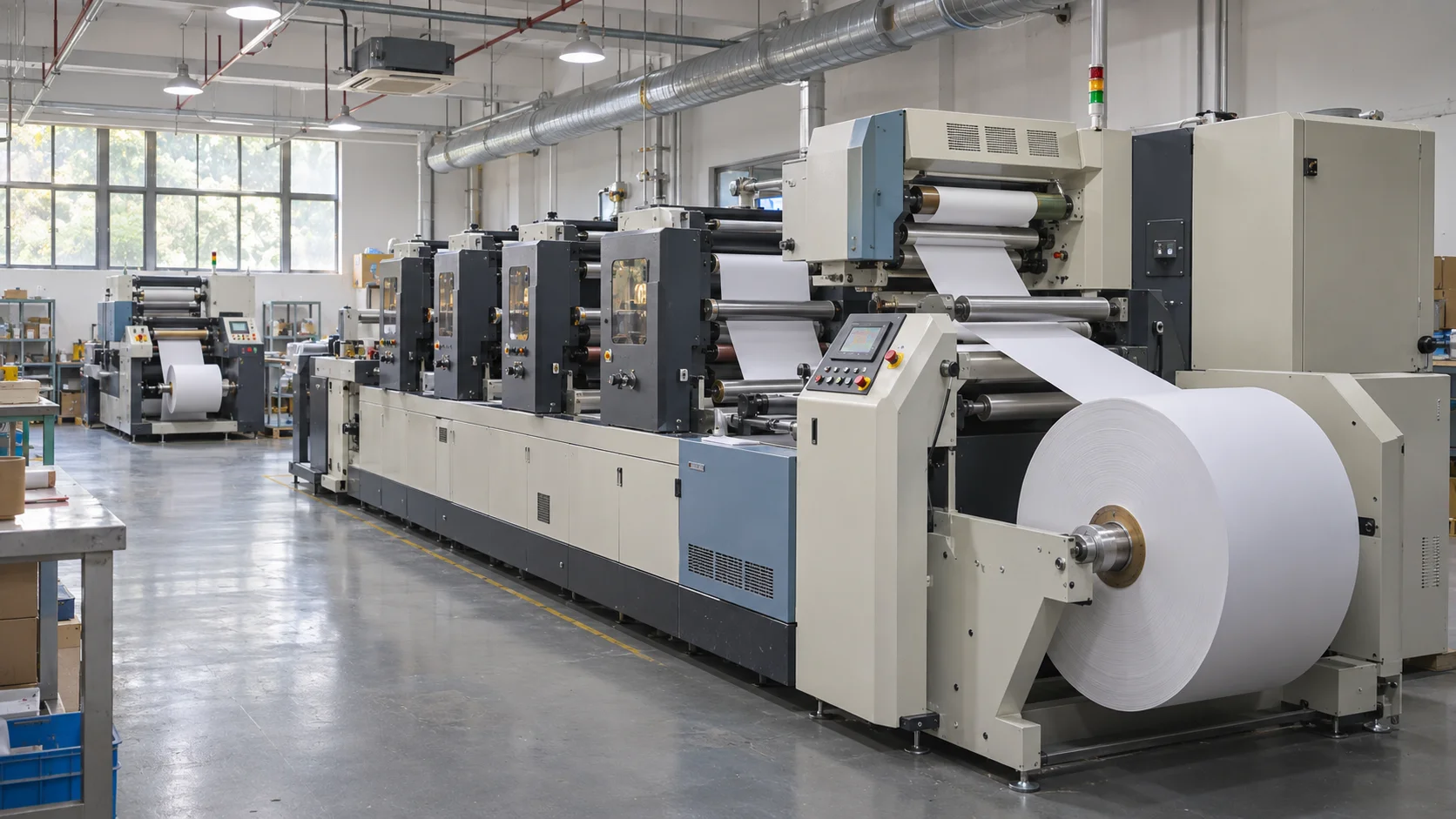
Once an order and its starting conditions are confirmed, the production handover needs more than a generic instruction to print the silhouette. It carries the final file, material requirements, finished size and packing reference together.
The first output can be checked against the same details that drove the discussion: the fixing margin, the position of the top circles and the clarity of ring outlines. Finishing checks return to the paper edges so the intended margins remain present after cutting.
At packing, the count and label connect the printed sheet to the order. Staff should be able to identify the product and version from the package information before opening and checking individual sheets.
07 / Packing, receiving and the next order
The receiving staff need to understand the same specification
For several indoor ranges, packing decisions reach all the way to receiving: which carton contains which item, how many packs it holds and where it is meant to go. Keeping that structure aligned with the packing list makes the handover easier to follow.
Flat sheets need suitable protection at the edges and faces for the agreed transport arrangement. The receiving check then follows the packing list and approved reference, including package condition, quantity and the version of the artwork.
That brings the brief back to its starting point: a sheet mounted on a range backer. The fixing margin, clearer outlines and shared file reference are the small decisions that connect a custom inquiry with a product the different locations can review on the same terms.
A later purchase can start from that retained specification. The club identifies whether it wants the same version or a further change, then reviews quantity, price and delivery requirements for the next order.
YOUR CUSTOM PROJECT
Which detail on your range target needs attention?
Send a target reference and a photograph of its backer or holder. Mark the places you want to change so the artwork, mounting margins and sample brief can be reviewed together.
Want to try a design of your own? Start with a template and its available editing options, or ask our team for help.
The workspace supports English and Chinese. Editable options vary by template. Drafts stay in this browser; email or WhatsApp a screenshot to our team. Saving a draft does not submit an inquiry.