TARGET PAPER · STICKERS · CUSTOM SOURCINGquote@topabel.com
TOPABEL中文

ONLINE DESIGN / CUSTOM & OEM

Your target.Your design.

Start with a template, personalize the available colors and artwork, and preview your design. Our team helps confirm specifications, samples and production. You can also start with a reference image.

Choose a template · Make it yours · Preview · Discuss samples

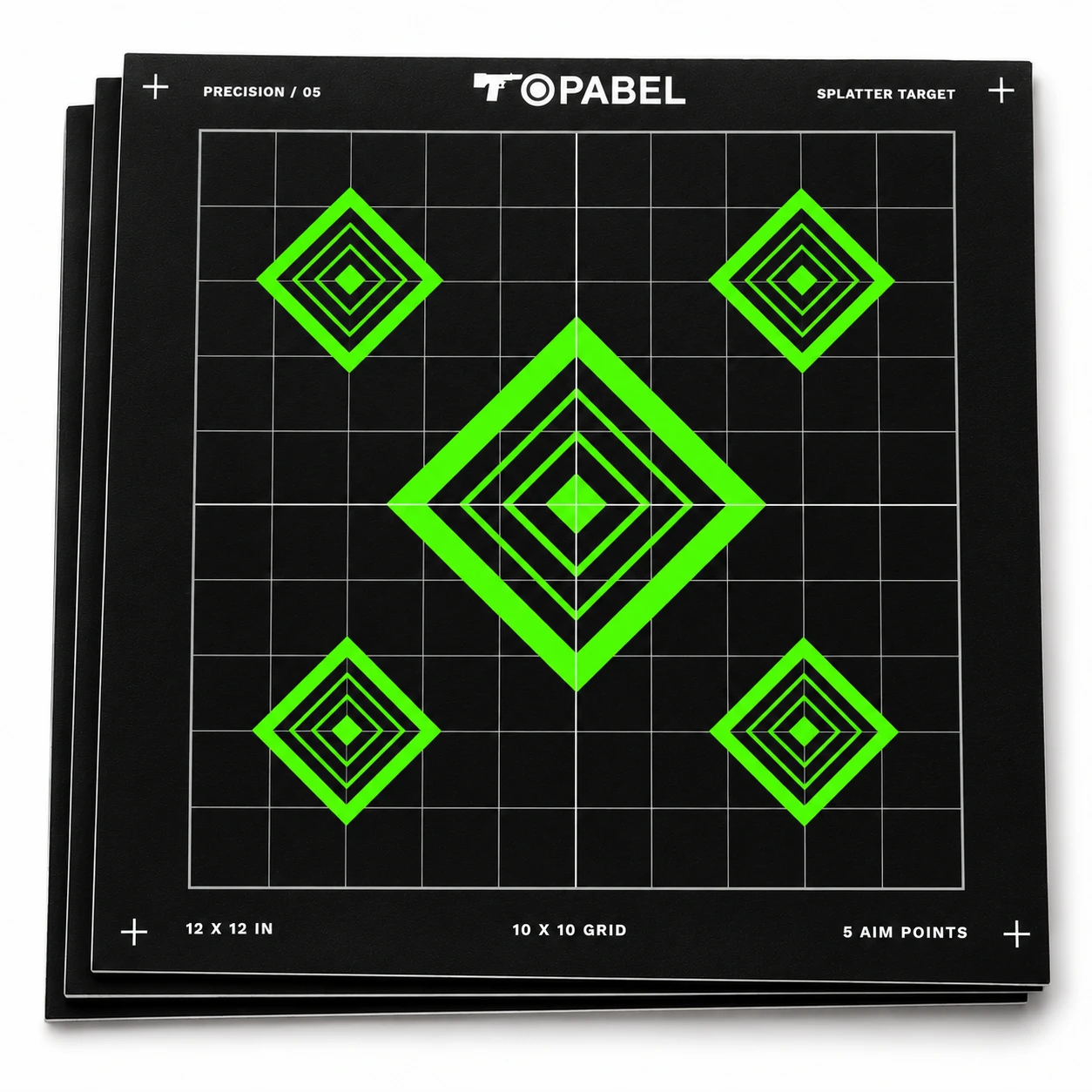
Existing green nested-diamond sight-in target, a starting reference for customization
START WITH AN EXISTING DESIGNA clearer starting point for your own target.

THREE WAYS TO WORK WITH TOPABEL

Together. Our brand. Or yours.

Bring our brands together

Co-branding with TOPABEL

Present your brand together with TOPABEL on the product or packaging. Agree on the logo placement and design together.

Share your brand artwork and preferred logo placement. We work through the product, packaging, sample and quotation with you.

Discuss this option

Choose our brand

TOPABEL branded products

Purchase targets and stickers carrying the TOPABEL brand for resale or use in your business.

Choose products, quantities and pack requirements from your purchasing plan. Confirm the selected SKUs, samples and quotation with our team. Browse products →

Discuss this option

Make it under your brand

Your brand / Private label

Have products made under your own brand, with your artwork and packaging requirements.

Send authorized artwork or a reference. Confirm the brand presentation, target design, specifications and packaging before sample approval and production.

Discuss this option

Choose the brand arrangement first, then agree on the design and production scope. Online design and team assistance help prepare the artwork; MOQ, samples, pricing and delivery are confirmed for the selected specification.

TWO WAYS TO START

Design it yourself. Or design with us.

You do not need finished artwork to start. Choose the route that suits you.

01 / ONLINE DESIGN

Make a starting design.

Start with a template and personalize its available artwork, colors and brand Logo. Read the guide for your first design, then download an image to discuss specifications and samples with our team.

  1. Choose
  2. Personalize
  3. Preview
02 / TEAM ASSISTANCE

Bring us your ideas.

Send a product link, reference image or use setting. We can help work through the artwork, specifications and sample requirements.

Discuss my requirements →

The workspace supports English and Chinese. Editable options vary by template. Drafts stay in this browser; email or WhatsApp a screenshot to our team. Saving a draft does not submit an inquiry. Physical samples confirm print, material and surface effects.

THE COMPLETE JOURNEY

Eight steps. Four stages to remember.

See what you provide, how we work with you and what needs to be clear before moving on.

  1. 01–03Clarify the brief
  2. 04–05Review drawings & samples
  3. 06Confirm the order
  4. 07–08Produce & receive

Choose & design

Find a reference. You do not need every specification yet.

You may know the target type but not its format, or have a picture without a product name. Start with something both sides can point to.

Your part
Choose a starting template in the online designer and personalize its available options, or browse products and send a reference for our help. Keep the template or SKU and describe your use setting.
Our part
Explain the differences relevant to the project: flat sheets or rolls, adhesive or non-adhesive, ordinary print or a reactive surface. Discuss which existing layout is a useful starting point.
BEFORE THE NEXT STEP

A reference product or image, plus the use setting. Unsettled details become questions for the next conversation.

Make first contact

A picture and a few sentences are enough to open the conversation.

Use the inquiry form for a structured request, or email and WhatsApp when you want to send reference pictures. You can start before size, quantity or packing is final.

Your part
Email or WhatsApp a screenshot of your online design, or a reference image. Include the template or SKU, requested changes, estimated quantity and destination. A locally saved draft is not sent to our team automatically.
Our part
Understand the customer and use setting, identify the main questions, and confirm which additional pictures or information will make the next exchange useful.

9:00 AM–9:00 PM China Standard Time (UTC+8)
Reference pictures can be sent by email or WhatsApp. The inquiry form collects written requirements.

START WITH A MESSAGE

A sample inquiry you can adapt

Illustrative inquiry, not a customer transcript. Edit the example before sending.

BEFORE THE NEXT STEP

A clear starting request and an agreed list of questions to work through.

Agree the requirements

Turn “make it clearer” into changes that can be drawn and quoted.

Broad impressions are useful starting points. We need to locate the detail behind them: which line, color, area or part of the sheet is causing the concern?

Your part
Mark concerns on a reference and distinguish essential requirements from choices you want to compare. Share quantity, packaging, destination and arrival expectations as they become known.
Our part
Translate the comments into specific design or production choices, discuss feasibility and explain what the quotation includes. Revisit price and timing when an important specification changes.
Make the requirements specific
You might sayWe work through
The grid needs to be clearer.Which lines look weak? Check line weight, contrast and the full-sheet appearance separately.
We want our own design.Which parts remain? Review area count, size, position, colors, wording and logo placement.
It needs to fit our backer.Confirm finished dimensions, fixing method and clear margins using a photograph of the holder.
We need retail packaging.Discuss sheets per pack, labels, language, brand artwork and carton arrangement.

Artwork, dimensions, material and packing can be discussed separately. Available options, MOQ, sample scope and pricing depend on the selected specification.

BEFORE THE NEXT STEP

One shared brief identifying the product, proposed changes, quantity basis and quotation scope.

Review the artwork

See exactly what changed in the next drawing.

Use your online preview or an assisted drawing as the starting reference. A full-sheet proof shows the layout; a marked close-up explains a detail. Agree the current artwork version before sampling.

Your part
Check the silhouette or animal, aiming areas, lines, colors, text, logo and margins. Point to the part that feels wrong, and collect feedback from everyone who needs to approve the design.
Our part
Work from the agreed reference, explain each revision and retain accepted details. Return the current version with clear change notes instead of leaving you to search across attachments.

A design discussion, made visible

AI design illustration
Before · 7 yellow-green areasAfter · 5 green areas
Illustrative comparison retaining nested diamonds while changing the number, color and central size of aiming areas
Both panels are AI illustrations based on an existing catalog product, not historical customer revision records. Enlarge comparison ↗

Before the drawing goes to sampling

  • The full face: shape, area count, position and finished margins.
  • The detail: line clarity, numbering, color relationships and brand wording.
  • The version: one current file, with agreed details and changes identified.
BEFORE THE NEXT STEP

Identify the artwork version to be sampled, with finished dimensions and the details still requiring physical review.

Check a physical sample

Approve the printed sheet, not only the screen preview.

A drawing confirms arrangement. A sample adds the paper, printed color, finishing and mounting. Reactive appearance needs its own agreed evaluation conditions.

Your part
Review the sample against its artwork version. Photograph and mark any issue, separating layout, color, material, mounting and surface comments.
Our part
Confirm what the sample covers, including charges, timing and delivery. Compare feedback with the reference, discuss changes where needed and record the accepted sample basis.

01 / Size & mounting

Measure the finished sheet and check clear margins on the intended backer.

02 / Print & color

Inspect fine lines, text, boundaries and color relationships on the physical sheet.

03 / Material & surface

Review the supplied material and finish; agree separate evaluation conditions for any required reactive effect.

04 / Packing reference

Where included in the sample scope, review pack count, labels and the intended presentation.

BEFORE THE NEXT STEP

An accepted artwork and sample reference, plus recorded specifications for the bulk order. If a detail remains open, resolve it before bulk approval.

Confirm the order

Put the design decisions and commercial details in one order.

A suitable drawing does not settle the pack count or receiving plan. Bring the product reference and purchasing details together before production is scheduled.

Your part
Check the final version, size, material, quantity and unit, packing, labels, receiving details, payment and shipping terms. Identify the people who approve and receive the order.
Our part
Summarize the specifications, connect them with the quotation and confirm the order’s starting conditions, production schedule and delivery arrangement.

Read these together before approving

  • Product: SKU/reference, artwork version, sample basis, material and finished dimensions.
  • Quantity: total sheets or rolls, inner-pack count and carton arrangement.
  • Commercial details: quotation, payment, agreed start conditions and schedule.
  • Delivery: destination, receiving contact, shipping terms, costs and documents.
BEFORE THE NEXT STEP

A confirmed order with one artwork/sample reference and a consistent sheet, pack or roll quantity.

Produce, check and pack

Carry the accepted details all the way through production.

The production handover carries the accepted artwork, material, finished size and packing requirements. Checks follow the details that matter to this order.

Your part
Stay available for decisions agreed at the order stage. If a late design or quantity change is necessary, raise it promptly so its effect can be reviewed.
Our part
Compare initial output with the accepted reference; check print placement, line clarity, dimensions and surface condition as appropriate. Check counts, labels and carton identification at packing.
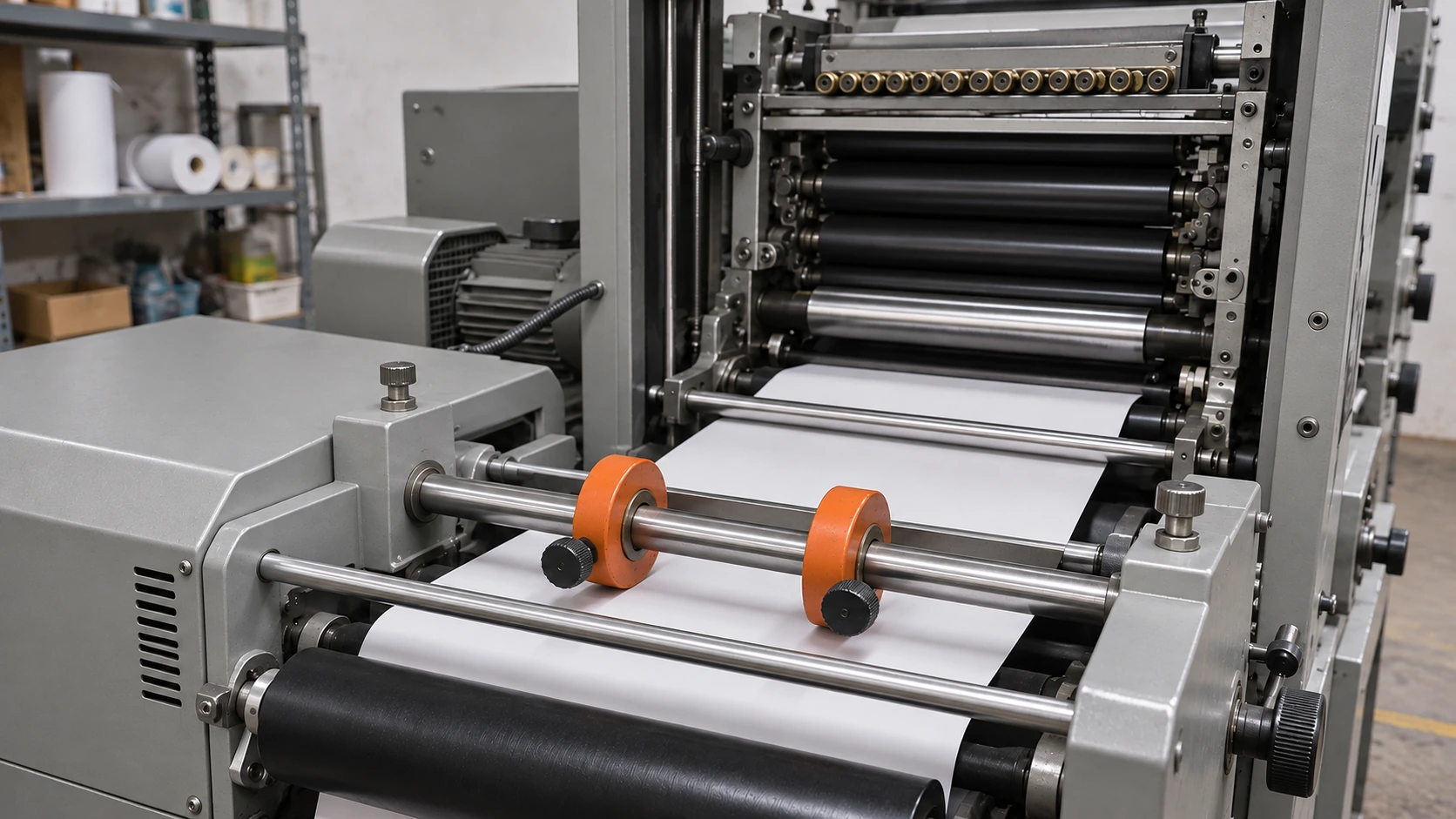
Paper guide and rollers on factory printing equipment
Workshop photograph. Production and inspection requirements follow the confirmed specification for each order.
BEFORE THE NEXT STEP

Finished and packed goods matched to the confirmed order and packing information.

Ship and receive

Make the receiving handover as clear as the production handover.

International supply continues through dispatch and receiving. Clear packing information helps the person opening the cartons understand the same specification agreed during design.

Your part
Confirm the receiving address and contact. On arrival, check package condition, carton and pack counts, and the product against the order reference. Record any discrepancy with photos and affected quantities.
Our part
Align packing lists, shipment information and required documents with the agreed shipping arrangement. Follow up on reported differences using the order and packing references. Retain the specification for later purchases.

Before dispatch

Product and quantity → pack and carton counts → carton labels and packing list → shipment and receiving information.

When the order arrives

Keep the labels, check package condition and counts, then compare the product with the accepted reference. Report any issue with photos, the order reference and affected quantities.

RECEIVING & REORDERS

A receiving check against the order. A repeat purchase can start from the retained version, then reconfirm quantity, pricing and delivery needs.

SEE IT IN A STORY

Different customers. Specific questions to resolve.

Follow a complete illustrated story after reviewing the steps.

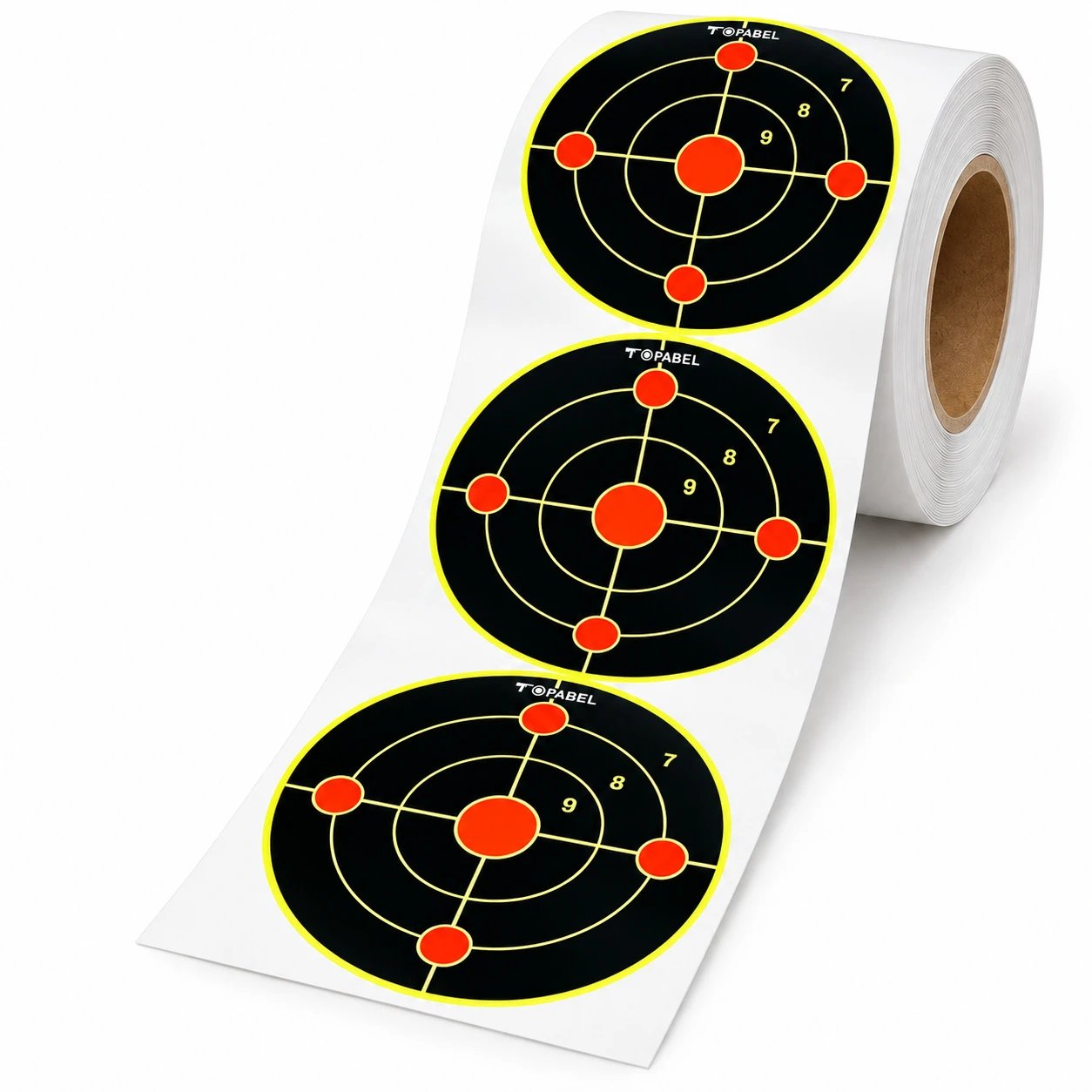
Existing black circular reactive target labels with yellow rings and orange centers on a roll, SKU TB-TR-QF-0404-RA-SPL-02Customer D

NORTH AMERICAN DISTRIBUTOR

From one label to a complete roll

Match different designs and sizes with reactive samples, counts per roll and packing.

Read the complete case →

BEFORE YOU START

The practical questions behind a first order.

Which brand arrangements can I choose?

You can co-brand with TOPABEL, purchase TOPABEL branded products, or have products made under your own brand. Tell us your preferred brand arrangement, product type, quantity and packaging requirements so we can confirm the design, samples and quotation.

Can you make targets under our own brand (private label)?

Yes. We can make products under your own brand using your authorized artwork, logo and packaging requirements. This is separate from co-branding with TOPABEL and TOPABEL branded supply. Brand presentation, specifications, MOQ, printing setup charges and samples are agreed for each project. Export packaging and shipping marks can also be discussed.

Can I design a target online without finished artwork?

Yes. Open TOPABEL’s online target designer, choose a starting template and personalize its available options. You can preview a starting design before discussing specifications and samples, or ask our team to help with a reference image.

Can every product be freely edited in the designer?

Editable options depend on the chosen template. Some support design changes; others are available for selection or reference only. Check the options shown in the workspace. Changes outside those options can be discussed with our team.

Does saving a design send it to TOPABEL?

No. A draft stays in the browser used to create it. Send a screenshot by email or WhatsApp and include the template or SKU, requested changes, quantity and destination. If the workspace offers an export, you may email that file too. A saved draft is not an inquiry or an order.

Can an online preview replace a physical sample?

A preview helps discuss layout and appearance. Our team still needs to confirm finished dimensions, material, process and packaging. Check printed color, mounting and any required reactive effect on a physical sample before approving bulk production.

Can we start without artwork or ask for help with the layout?

Yes. Send a product link, reference image or description of the intended use, and identify what to keep or change. If known, include scoring-ring requirements and finished dimensions. Our existing layout-design service includes a free first draft and revisions until approval; agree the design scope and any additional work for your project before it starts. You can also explore an available template in the online designer, then confirm the artwork version and sample requirements with our team.

How is the minimum order quantity for customization confirmed?

The regular minimum for customization is 3,000 sheets for sheet-format products or 100 rolls for roll-format products. Check the selected product, then confirm the applicable MOQ in the quotation for the finished size, material, process and packaging. State whether your quantity is in sheets, packs or rolls and whether the request covers several designs; a starting reference does not replace confirmation for your project.

How are sample charges and sample shipping handled?

First clarify whether you need an existing product sample or a custom sample made from revised artwork. Standard sampling may be free or subject to a US$100 setup fee, as specified in the quotation. The buyer prepays sample courier charges. Sample charges may be credited against a bulk order if the quotation provides for it. Confirm the sample scope, charges, preparation time, shipping and any credit conditions before arranging the sample.

What should I do if the sample needs changes?

Photograph and mark the issue, and identify the artwork version and sample you reviewed. Separate comments about layout, printed color, material, mounting and surface effects, and state which parts can stay. Our team can review the cause against the agreed reference and discuss revised artwork or another sample. Confirm the scope, any additional charges and timing before proceeding, then align the approved sample reference with the bulk specification. Sample revisions and quality issues found after bulk delivery are handled as different stages.

What is the custom-order lead time, and when does it start?

The regular custom-order lead-time reference is 7–14 calendar days from sample approval. Peak periods, holidays or complex processes may add 3–5 calendar days. The quotation and order must confirm the applicable start conditions and schedule, including artwork or sample approval, complete order details and payment arrangements. State whether the agreed date means dispatch or arrival. Changes to the design, quantity or other key specifications require the schedule to be checked again.

How is freight confirmed, and what if delivery is damaged or differs?

Share the destination and expected arrival date so costs, responsibilities and required documents can be agreed. The buyer prepays sample freight. Domestic bulk freight may be included in the quotation or paid on delivery by agreement; international bulk freight follows the EXW, FOB or DDP terms in the quotation. Inspect the goods at delivery and keep carton labels. Photograph any damage or discrepancy and provide the order reference and affected quantities. Report transit damage within 24 hours. For 1688 orders, use the applicable platform transit-damage claim process; our team helps follow up and arrange replacements under the order and channel rules.
YOUR FIRST STEP

Your design is a starting point. Let’s plan the next step.

Email or WhatsApp your design screenshot, template or SKU, use setting, quantity and destination. We can work through any undecided details together.

Open your usual email service, paste the address and attach your reference files.