
CUSTOMER STORY / D · NORTH AMERICA
Customer D: look beyond a single target sticker Work through the designs, sizes and roll specifications together
A North American distributor needed custom roll-fed target stickers in several designs and sizes, all with a reactive splatter surface. The drawing was only part of the brief: small artwork needed its own review, each roll needed a clear count, and the printed appearance had to be considered alongside peeling and packing. Reconstructed discussion scenes follow those details from references to sample and order preparation.
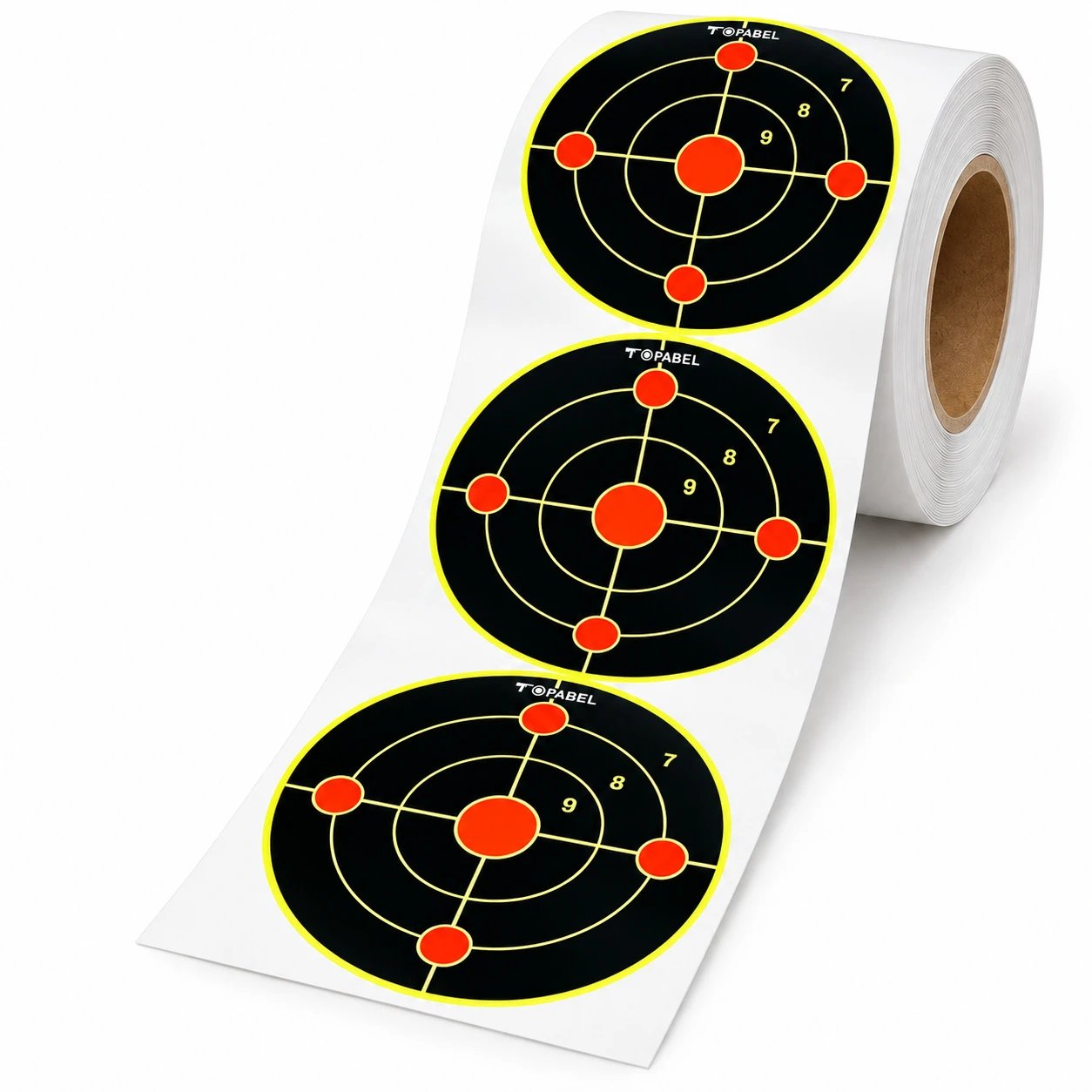
EXISTING CATALOG PRODUCT
Roll-fed reactive target stickers
This existing 4-inch circular design provides a reference for the printed face, continuous release liner and roll format. Other catalog examples below show different designs and sizes; their specifications are not Customer D’s order details.
TB-TR-QF-0404-RA-SPL-02
View this product ↗Existing catalog product, not Customer D’s verified final artwork or roll specification.
- Customer
- North American distributor
- Custom product
- Roll-fed adhesive target labels
- Design requirements
- Several designs and sizes
- Shared requirement
- Reactive splatter type throughout
01 / Start with the assortment
The distributor needed an assortment, not just one drawing
Customer D was a distributor in North America, requesting roll-fed target stickers in different designs and sizes. The designs could vary, but one requirement applied to every item: each had to be a reactive splatter type.
That brief connects several decisions. A design that works on a larger label may become crowded on a smaller one. A roll count does not reveal the number of individual stickers. A bright-looking print does not settle the physical reactive appearance.
The reconstructed conversation therefore starts by laying out the proposed items together. Which image belongs to which size? Which details are common across the range, and which must be confirmed separately? Each item needs its own line in the brief.
02 / Define what one roll means
“The same number of rolls” still leaves a question unanswered
For a distributor comparing an assortment, it is natural to begin with the desired number of rolls. Yet a useful quotation also needs the individual label size and the count within each roll. The drawing, sticker count and roll count must describe the same item.
We separate the units on the brief rather than hide them in a general quantity note. The customer can then review a particular design and see its proposed label size, stickers per roll and number of rolls together.
The working brief now has a practical structure: reference image, finished label dimensions, count per roll, roll quantity and packing notes. A later change to one item can be traced to that row without reopening the whole assortment.
Roll-core and finished-roll requirements, where relevant, belong beside those quantities. They need confirmation with the chosen material and roll arrangement rather than an assumption that every size will make an identical roll.
03 / Rework the small artwork
The small label needed a design review of its own
Artwork review offers a concrete moment in the story. A large preview can make every ring look distinct. When a small label is viewed at its intended size, the fine outlines may crowd together and the center detail can lose the space around it.
We separate the outer size from the internal artwork. The customer may want to keep the small label itself; the design response can instead reconsider ring density, stroke weight and spacing within that unchanged boundary.
The illustration below isolates that choice. The two label outlines keep the same relative sizes in both panels. The small design loses excess fine rings and gains clearer spacing; the larger design remains the comparison reference. This explains an adjustment within a series rather than a replacement with unrelated artwork.
DESIGN COMPARISON
Keep the small label size. Adapt the detail inside it.

The small label has more tightly packed fine rings, leaving little space around the center.
Simplify the small label’s rings and strengthen its strokes while retaining the same size and color family.
04 / Review every design and size
A circular bullseye and a square grid need different questions
The brief covered different designs as well as sizes. A circular layout brings ring spacing and the outside contour into view; a square grid brings the center, grid lines and printed references into the discussion. Each design needs to be checked within its own finished boundary.
A change in size also deserves another look at the printed references. If the artwork carries a grid, dimensions or scale wording, those details need to agree with the finished specification instead of traveling unquestioned from an earlier drawing.
We keep the shared visual choices alongside the item-specific checks: the family of colors and line styles can remain consistent, while each outline, size and artwork file stays identifiable.
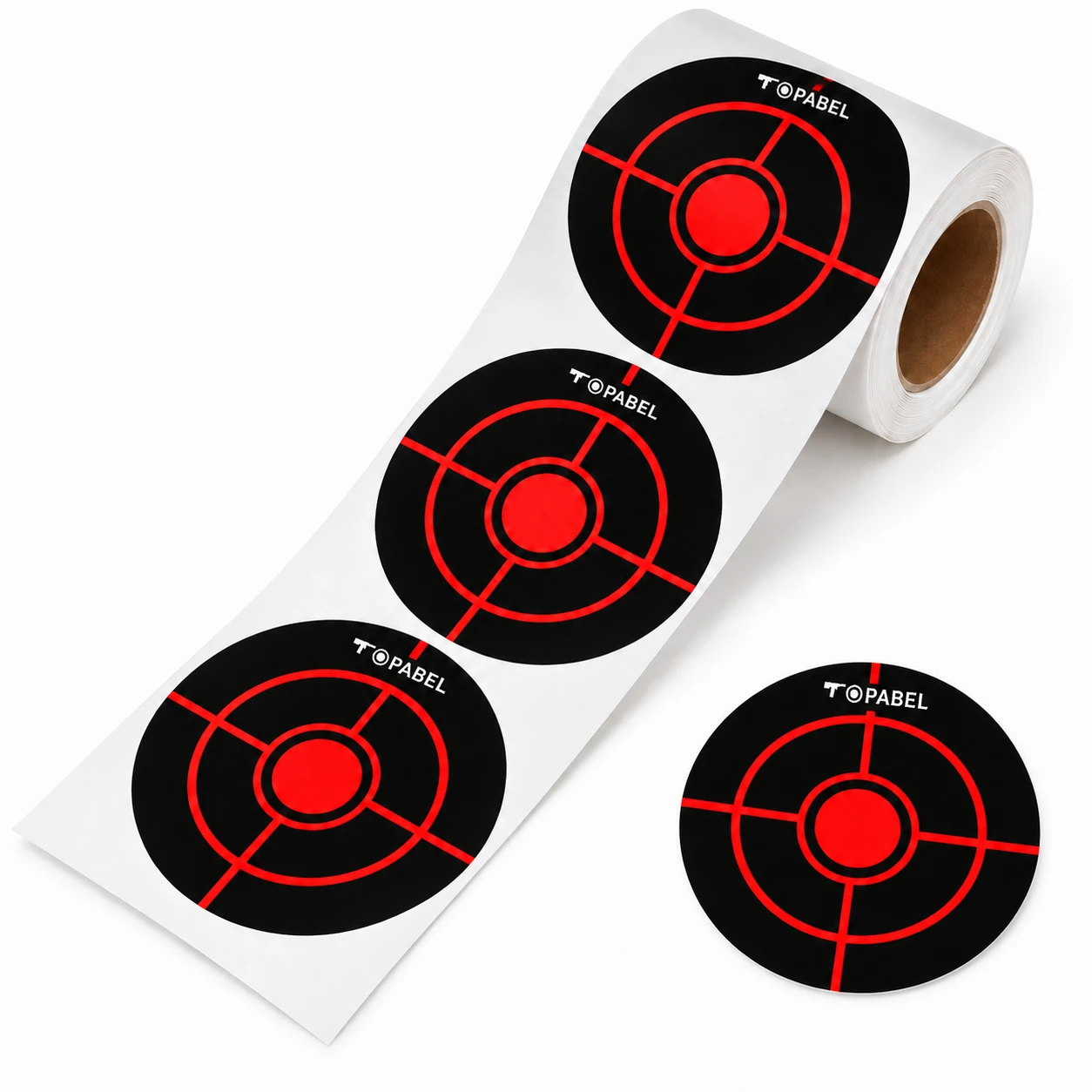 3-inch circular reactive roll 4-inch circular reactive roll
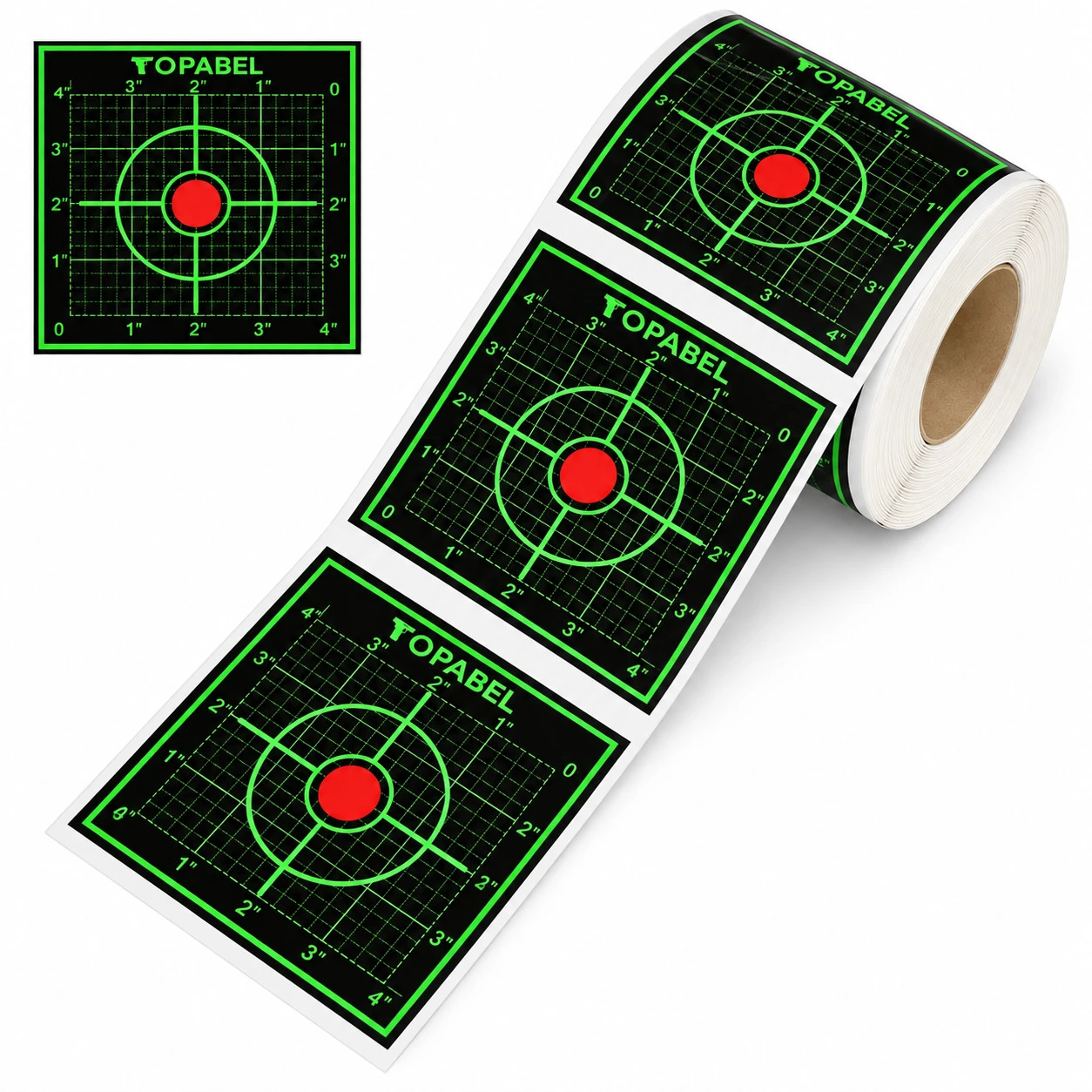 4-inch square grid roll
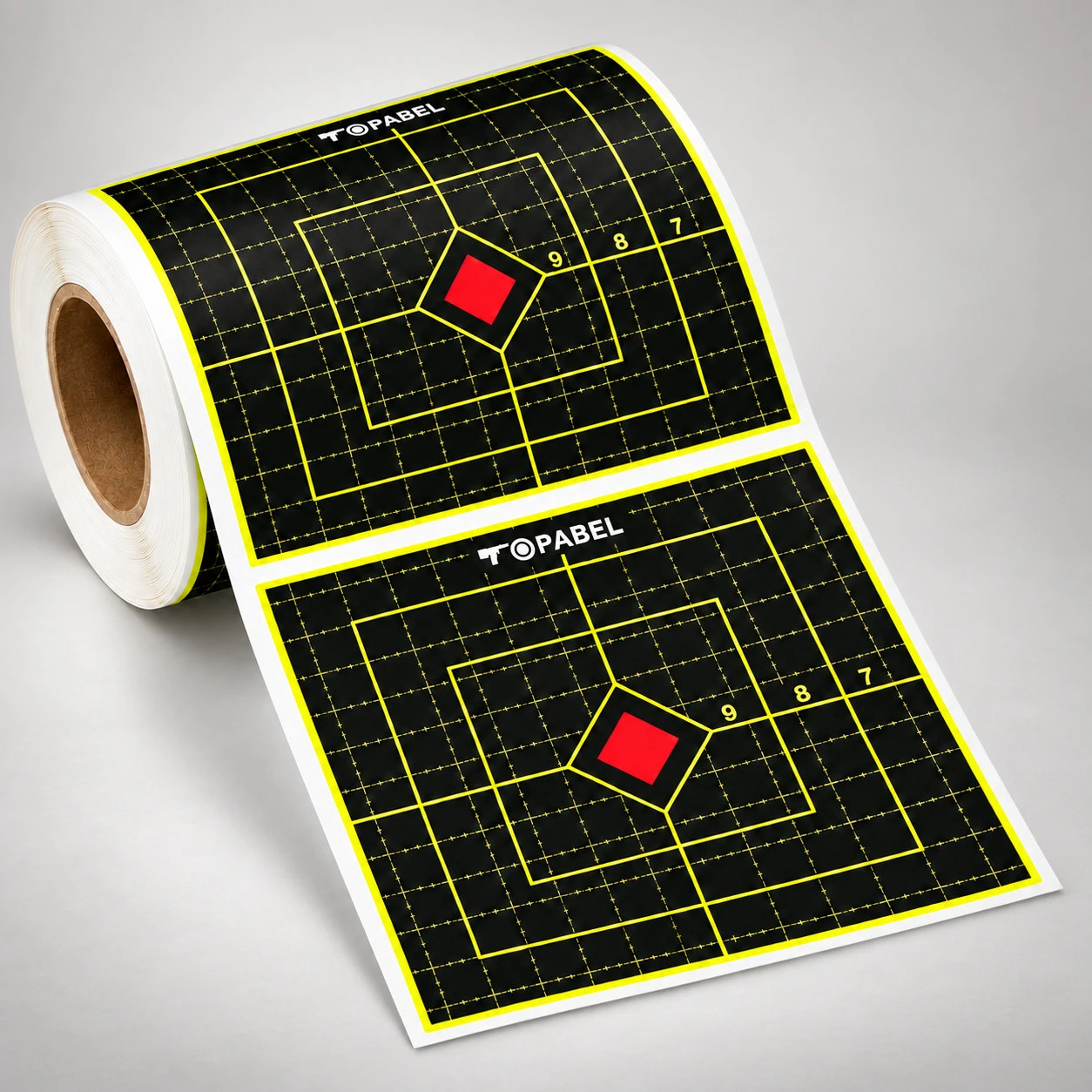 6-inch square grid roll
Existing catalog products illustrate design and size options. These dimensions, counts and artwork are not the customer’s confirmed order specification.
05 / Keep every item reactive
A bright printed color still leaves the surface to be checked
The customer’s shared requirement—every item must be reactive—stays attached to each row in the brief. A small circular item and a larger square item both need that requirement recorded, even though their artwork looks very different.
The sample discussion separates printed color from reactive appearance. A preview can show a red center or green grid. The physical surface and any required impact appearance need their own sample review and agreed evaluation conditions.
Feedback should identify the exact design and size being reviewed. A comment about one item should not be applied automatically to all the other items merely because the order calls them all reactive rolls.
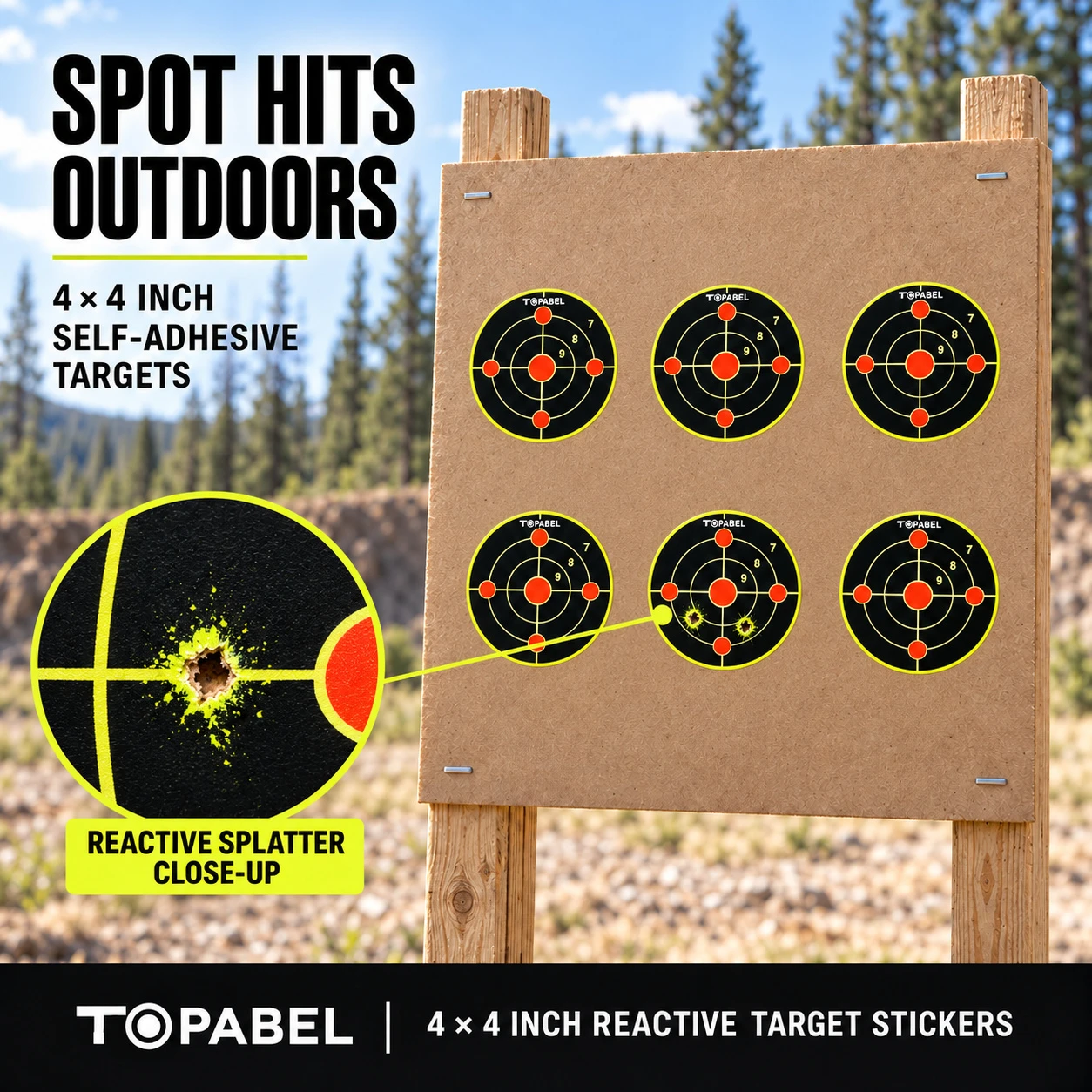
Existing catalog illustration used to discuss visible surface appearance.
Existing product-effect illustration, not Customer D’s actual sample test or measured result.
06 / Unroll it and peel a label
The sample review does not stop at the front of one sticker
A roll-fed adhesive product has more to review than its printed face. The customer needs a way to examine how labels sit on the liner, where the cut boundary lies and how a label is removed before being placed on the intended surface.
This is where the conversation moves from an image to a physical item: unroll a section, inspect the edges, peel a label and review the result under the agreed conditions. Questions about the material or adhesive remain tied to that sample and its intended use.
A useful sample comment is specific: a particular edge needs review, one area appears crowded, or a roll arrangement needs changing. Marking the location on a photograph gives the next discussion a concrete starting point.
Before any bulk approval, the drawing, individual label specification and roll arrangement need to refer to the same accepted version.
07 / Turn the assortment into an order
One order still needs a clear line for each item
Order preparation brings the artwork and roll brief together. Each item identifies the current drawing, label outline and dimensions, reactive requirement, stickers per roll, roll quantity and packing arrangement. MOQ and commercial details are confirmed for the proposed specifications.
That structure also guides the production handover. A change to the small circular artwork must not silently replace the larger circular file. The print and converting requirements, where applicable, need to stay connected to the correct item and sample basis.
Checks can follow the same details discussed earlier: the printed outlines, cut boundary, agreed roll arrangement and packing identification. Production and shipment planning follow the agreed requirements for the different items in the order.

08 / Make receiving and reorders clear
The outside of the carton should help identify what is inside
With several designs and sizes in the same purchasing project, receiving needs clear identification. A general “target roll” label is less useful than item information that can be matched back to the order: design reference, label size, count per roll and roll quantity.
The packing list and agreed carton arrangement make that handover easier to follow. The receiving staff can first identify the item, then check counts and condition against the confirmed reference. Any discrepancy can be reported with the item, quantities and photographs.
The story began with different target designs and sizes. Working through the small artwork, reactive sample requirements and meaning of one roll turns that broad request into a set of item-specific decisions a distributor can review.
Keeping those references also gives a repeat purchase a starting point. Identify the item and artwork version, state whether anything changes, then reconfirm quantity, pricing, packing and delivery for the next batch.
YOUR CUSTOM PROJECT
Does your roll-label brief cover more than the artwork?
Send your reference designs and preferred sizes. Add the count per roll, expected roll quantities and packing needs if known. Unsettled details can be discussed before drawings and samples are prepared.
Want to try a design of your own? Start with a template and its available editing options, or ask our team for help.
The workspace supports English and Chinese. Editable options vary by template. Drafts stay in this browser; email or WhatsApp a screenshot to our team. Saving a draft does not submit an inquiry.