
TOPABEL KNOWLEDGE SERIES
Target paper basics
Get to know the formats, read the specs and look after your samples.
Start with the first article →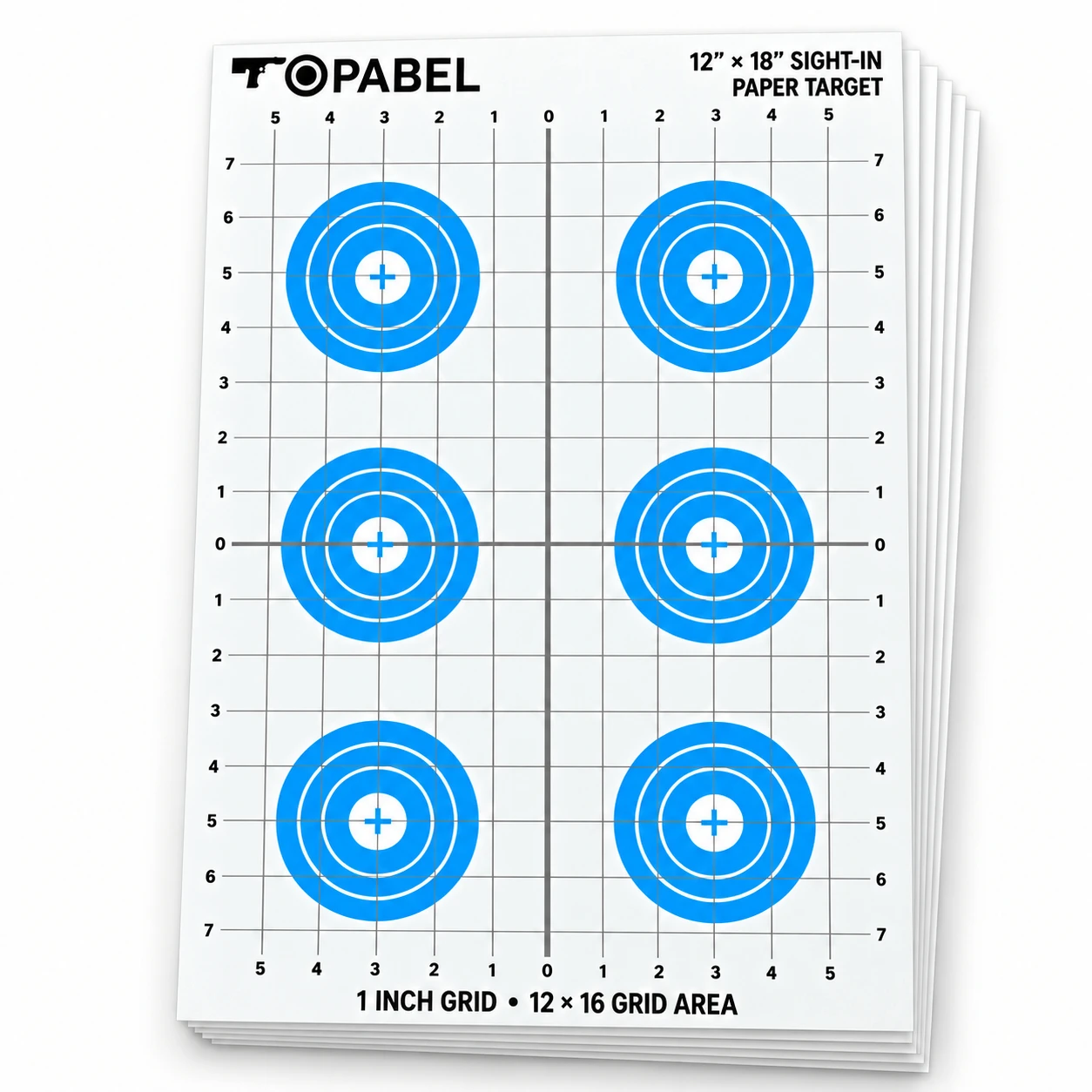
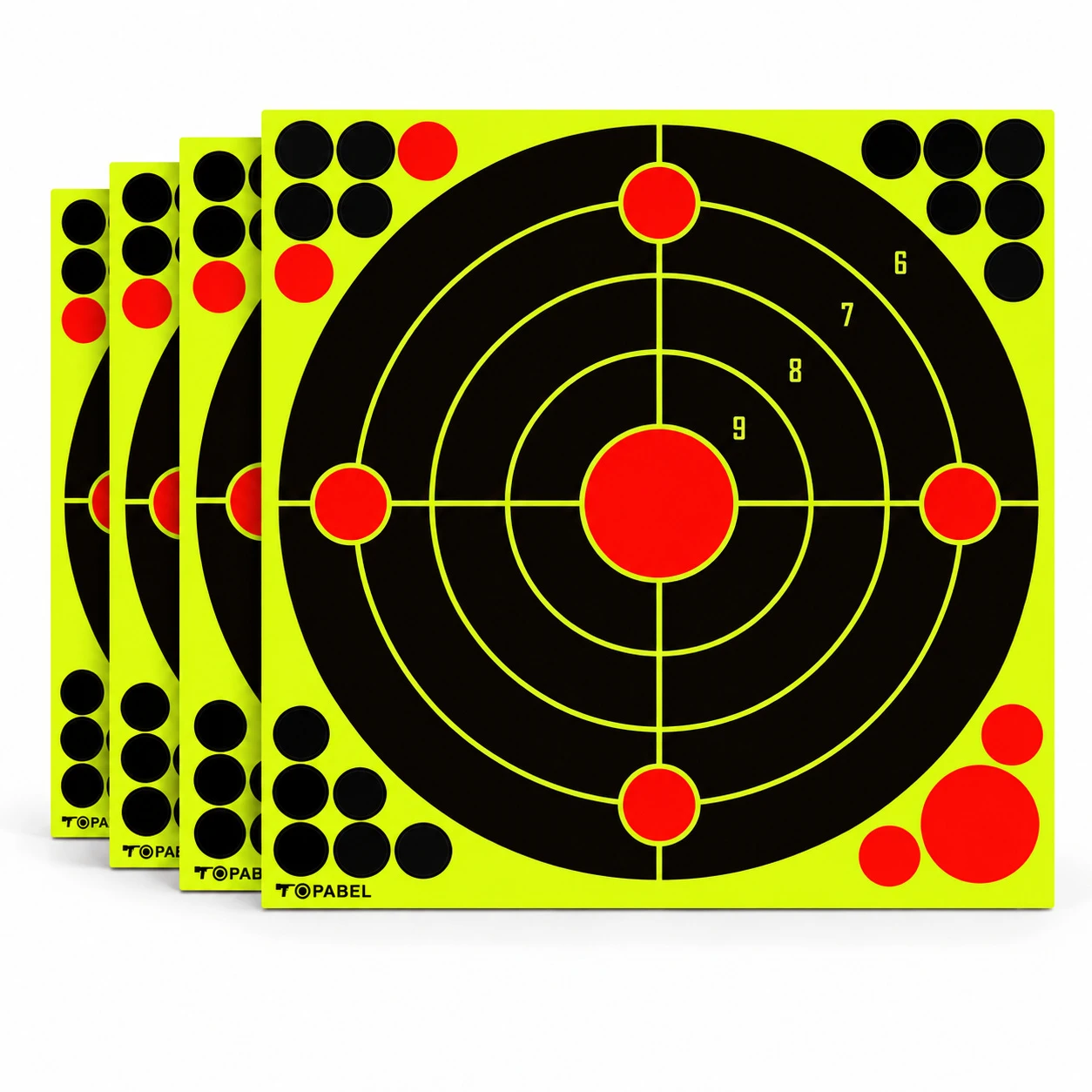
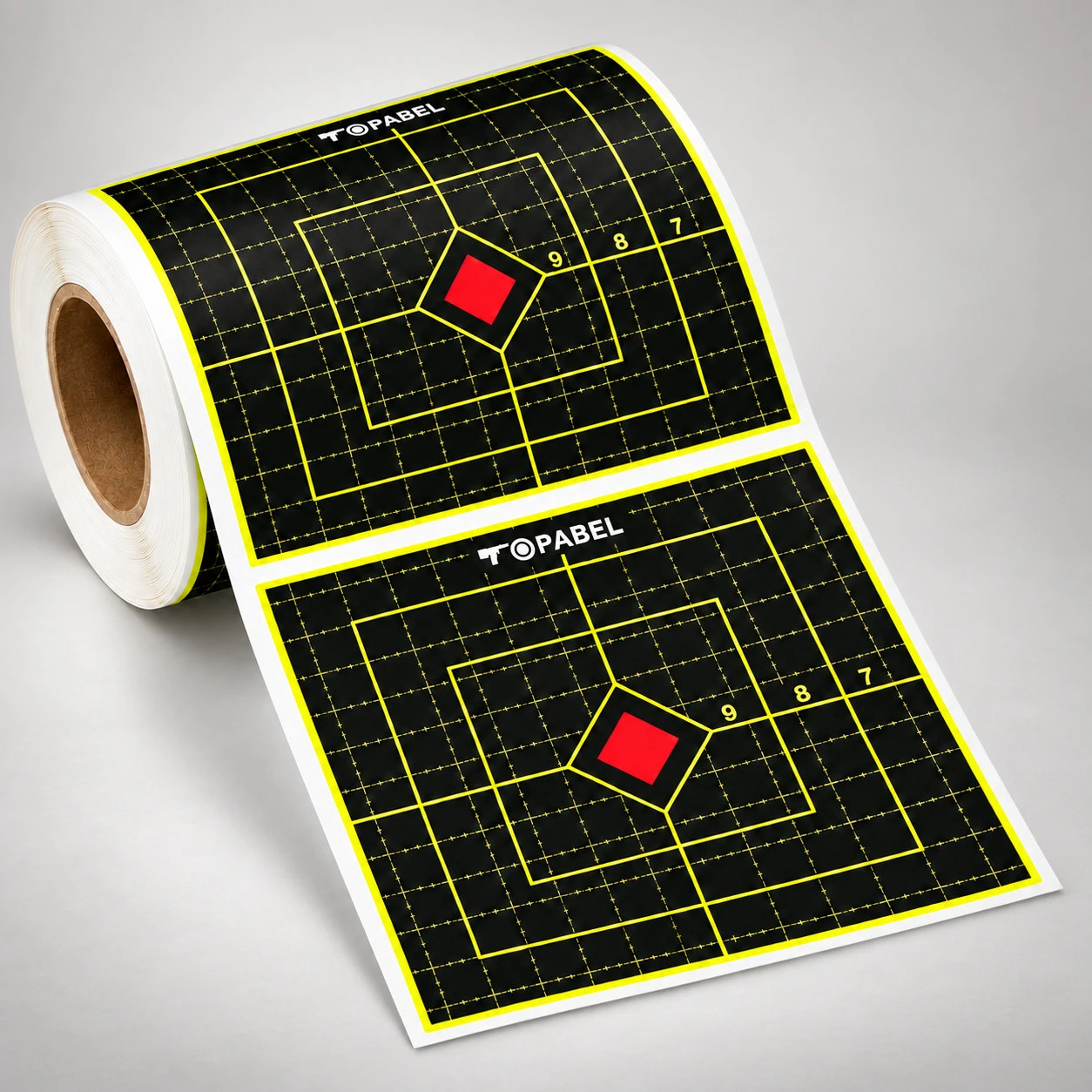
Know the formats
Identify backing, formats and finishes, then explore TOPABEL’s eight categories and the visual language of target layouts.
Paper targets, stickers, sheets and rolls: what’s the difference?
Three illustrated comparisons explain adhesive backing, sheets and rolls, and reactive surfaces. Then compare three examples from the TOPABEL catalog.
Understanding TOPABEL’s eight target categories: functions and features
Eight illustrated explanations show why targets are grouped by positional reference, regular practice, scoring, animal themes, thermal contrast, games, repair and fluorescent colour.
What is a reactive splatter target? A closer look at the bright impact mark
A three-step visual explains how a common flake-off surface reveals an existing bright colour. Compare the exposed patch with the actual hole and separate the finish from backing and packaging.
Fluorescence, glow in the dark and reflection: what makes each look bright?
Compare three bright-looking surfaces by asking where the light comes from and what happens after the light source is removed.
Rings, grids, crosses and outlines: how to read a target face
Four memorable actions explain target layouts: read the zones, count the squares, find the centre and recognise the shape. Product-based pictures and simple examples show what each pattern helps you see.
Read the specifications
Read finished dimensions, paper weight, pack contents and the unit used for a quote.
How to read target paper specifications
Learn where to find a target’s SKU, dimensions, paper weight, thickness, pack contents and quote unit, with illustrated examples from TOPABEL.
Paper grammage, thickness and stiffness: what does each tell you?
Use a scale, a thickness measurement and a bending comparison to understand three different paper properties.
Store and inspect
Inspect samples in a clear sequence and keep paper targets and stickers in good condition after opening.
What to check when your target samples arrive: a six-point illustrated guide
Follow a visual sequence for sample identity, dimensions, printing, backing, packing and records. Keep initial checks separate from functional evaluation.
Why does the colour look different on screen, in photos and on paper?
Follow the same colour area through a design preview, a phone photo and a printed proof, then learn how to document a difference.
How to store paper targets and target stickers
An illustrated guide to checking paper targets on arrival, storing sheets and rolls, and inspecting opened packs of adhesive stickers.
Why do target sticker edges lift, and why can removal leave adhesive residue?
Compare a lifted edge, a partly peeled sticker and marks on the board. Learn what to check and how to record the conditions for a repeatable comparison.