
TOPABEL KNOWLEDGE SERIES / 10
How to store paper targets and target stickers
Keep paper targets and stickers in a cool, dry place out of direct sunlight. Store sheets flat, keep rolls wound on their cores, and reseal opened packs with the release liner still on unused stickers.
Inspect the delivery before putting it away
Keep the carton label until you’ve checked the order. If you find damage, set the affected pack aside and photograph the carton label and the damaged area.
- Carton
- Look for water marks, crushed corners or torn packaging.
- Label
- Match the SKU and quantities against the order. For sheets, check the sheet count per pack. For rolls, check the number of rolls and the quantity per roll.
- Product
- Open one pack for a spot check. Look at the sheet edges and printing. For sticker rolls, also check the core and release liner.
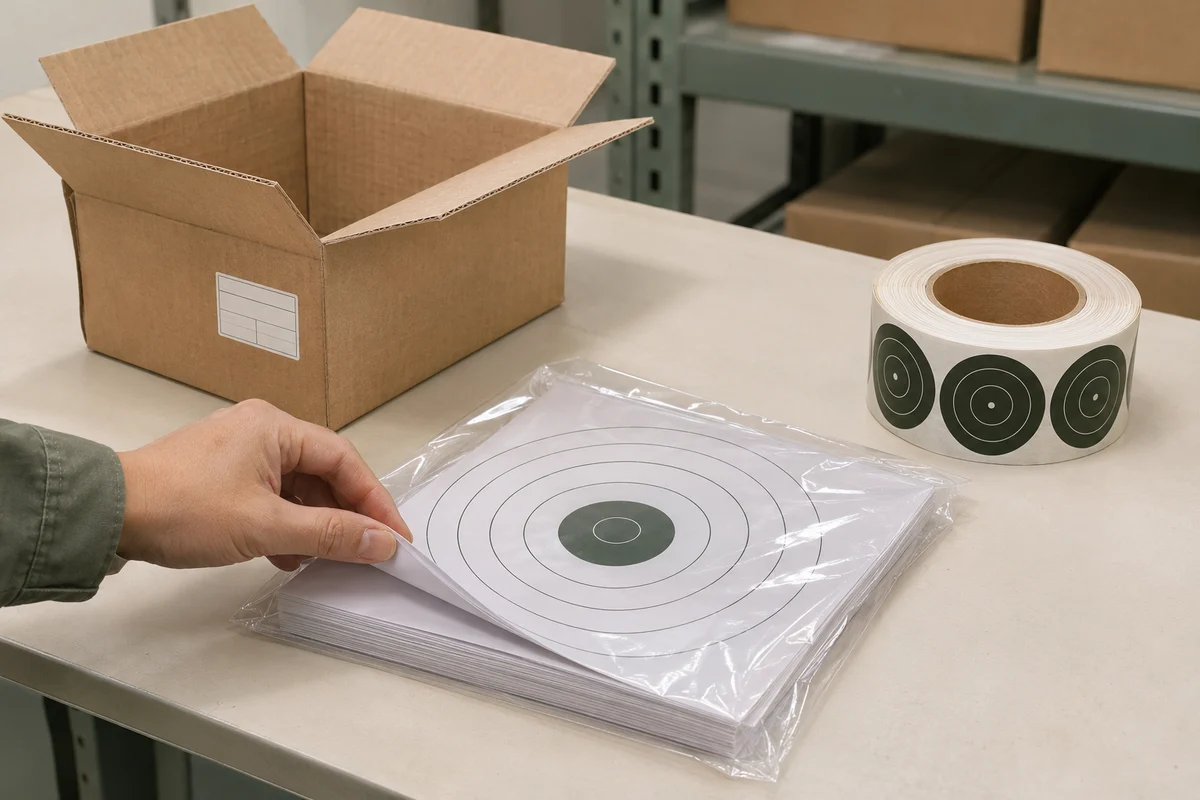
- Check the carton
- Match the label
- Check sheet edges
- Check the core
AI-generated illustration
Store sheets and rolls in their original shape
Choose a dry indoor shelf away from direct sunlight and heat. Keep the packages off the floor and leave heavy cartons off the stock.
- Sheets
- Keep sheets in their packaging and lay the whole pack flat on the shelf, with the corners fully supported.
- Rolls
- Leave the roll wound on its core. Put it back in its bag and box, or use a resealable bag if the original bag no longer closes.
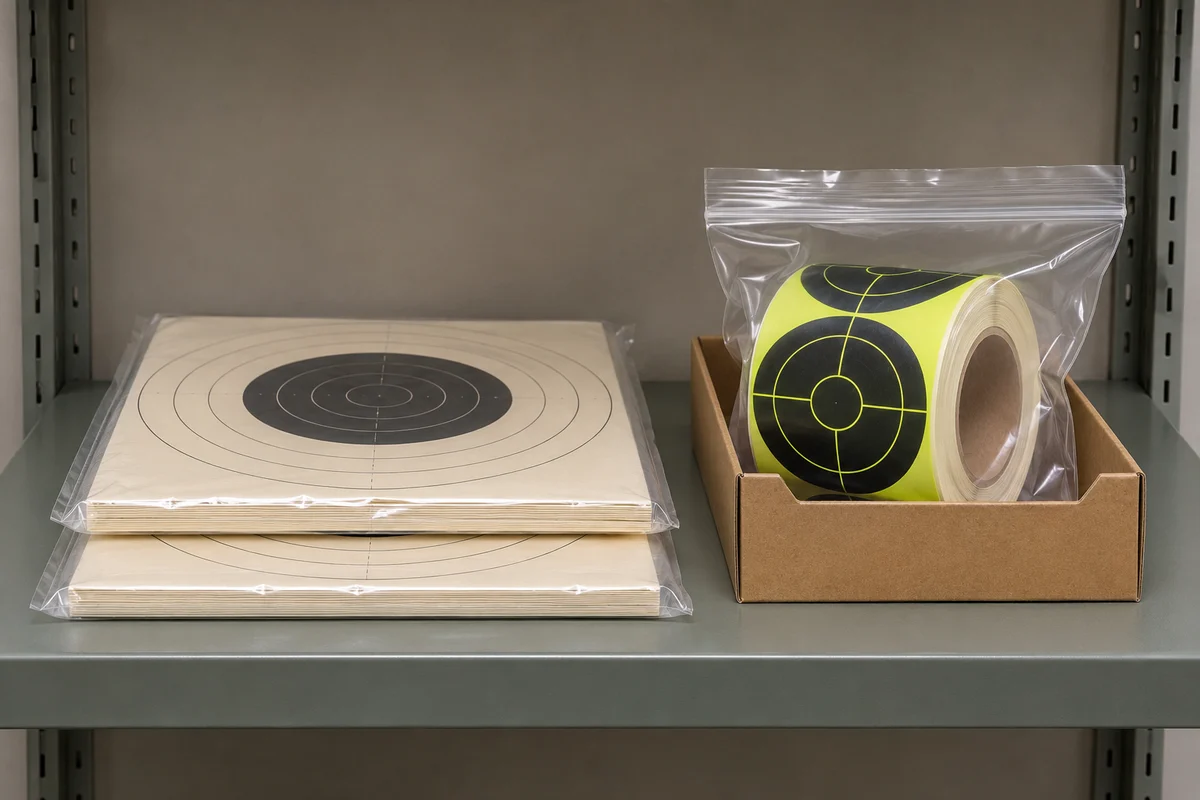
- Lay sheets flat
- Bag and box the roll
AI-generated illustration
Reseal opened stickers and check one before using more
Take out only what you need. Leave the release liner on the rest and reseal the pack. When you reopen it, check one sample for a torn liner or an edge that has already lifted. If it looks intact, try that sticker on a clean, dry backing surface and check that the edges lie flat before using more.
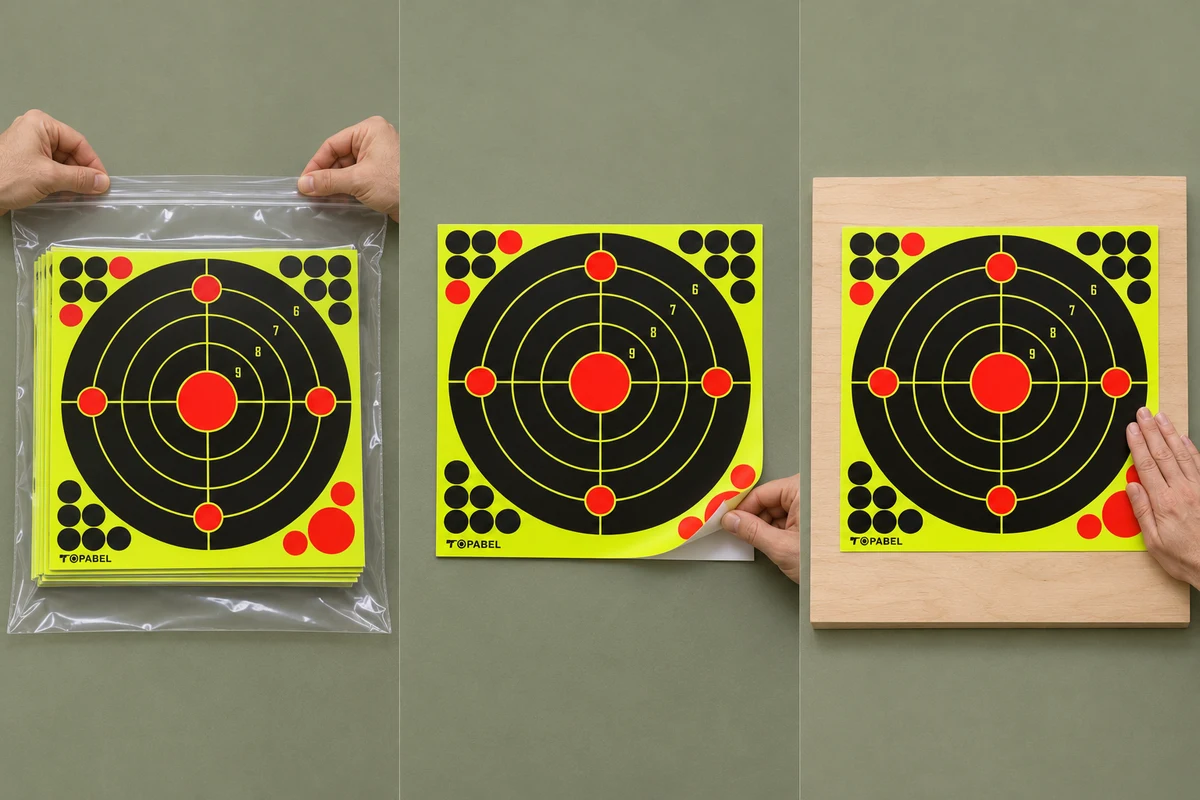
- Reseal the bag
- Check the liner
- Test one sticker
AI-generated illustration
Confirm shelf life for the specific reactive SKU
For longer-term stock, give TOPABEL the SKU, whether the pack has been opened, and where and how it is stored. Confirm the shelf life and storage conditions for that specific product. Keep the SKU label and use older stock first when the packs are in good condition.
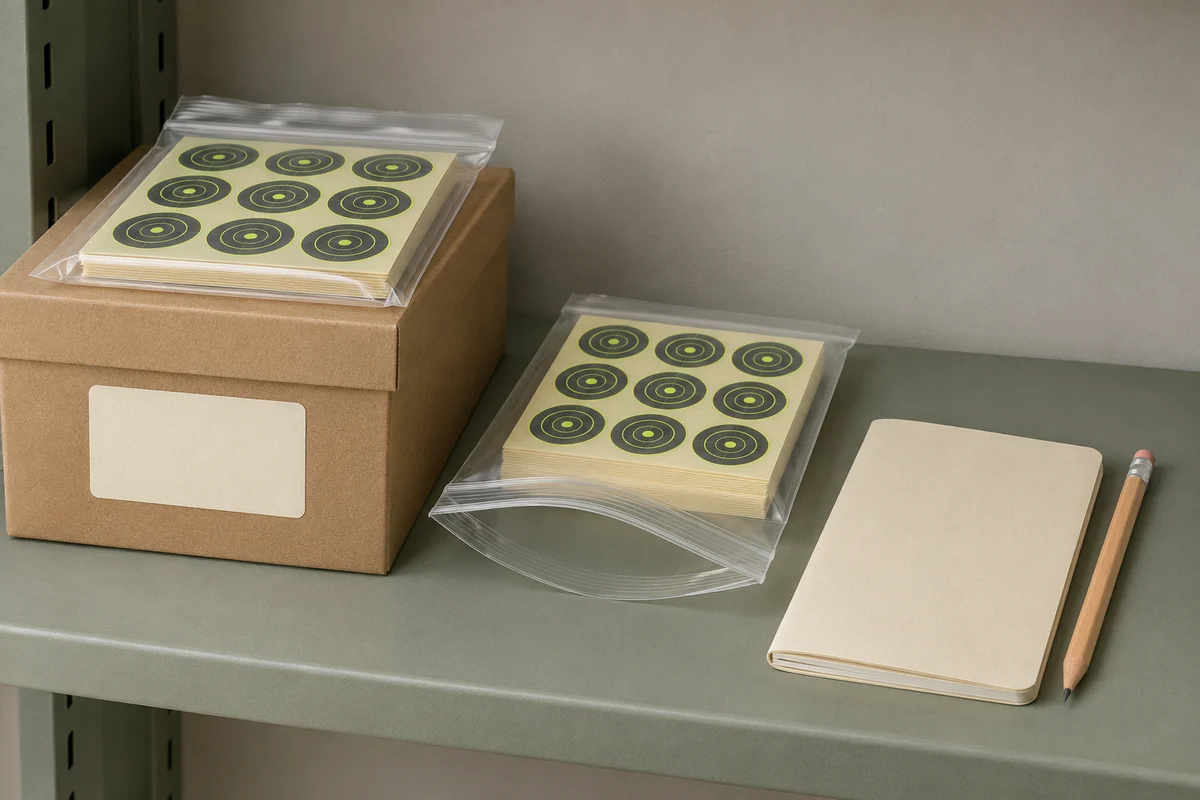
- Note the SKU
- Check if opened
- Record conditions
AI-generated illustration
Quick checks for common problems
Match what you see to the examples, then check the packaging or application surface. Keep the label and photos for reference.
-
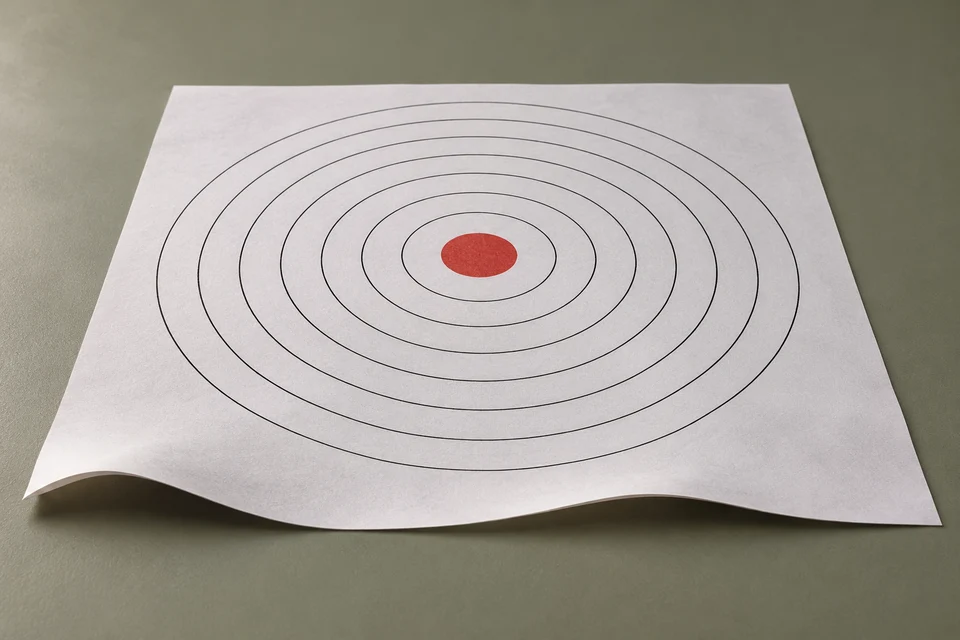
Look along the edge for a gap above the flat surface.AI-generated example Sheets curl or develop waves
- Check first
- Look for moisture inside the bag and pressure marks on the carton.
- Record
- Place one sheet on a flat surface and photograph it from the side so the curl is visible.
-
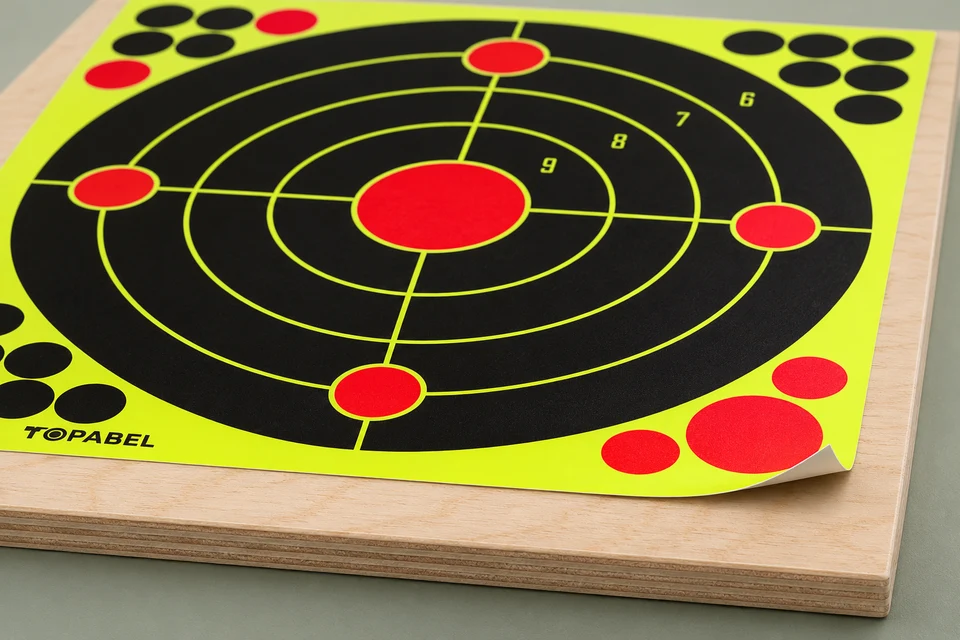
Check where the sticker edge separates from the backer.AI-generated example Sticker edges lift after application
- Check first
- Check that the application surface is clean and dry.
- Compare
- Take an unused sticker from the same pack and check whether its edge is already lifting from the release liner.
-
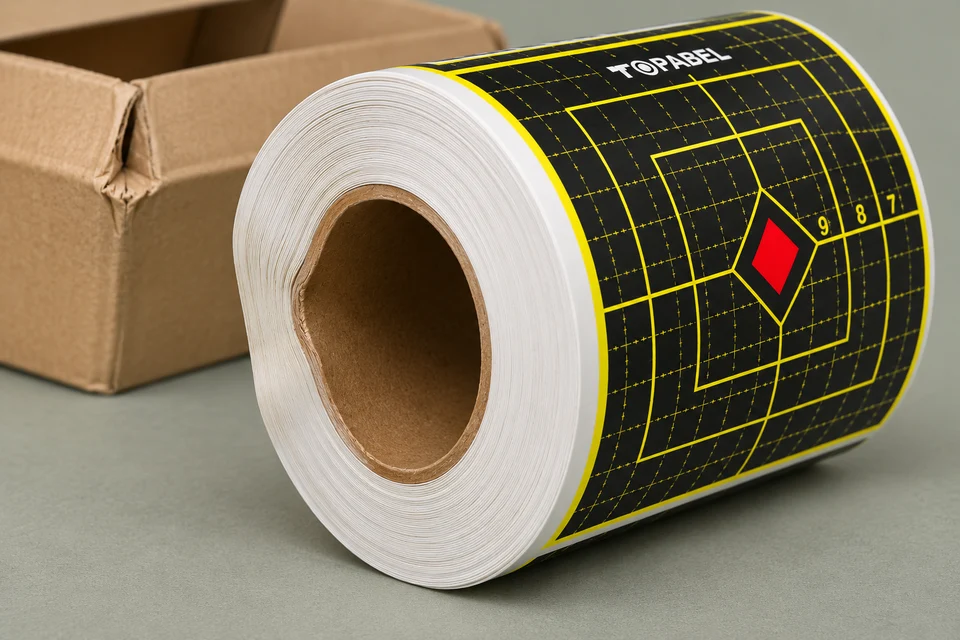
Look at the core opening and the nearby carton corner.AI-generated example A roll is crushed or difficult to unwind
- Check first
- Look for dents in the carton and flattening or an inward dent in the core opening.
- Record
- Photograph the roll end and the damaged carton. Keep the packaging label to identify the affected stock.